
From theory to the field: how to integrate neuro-cognitive-motor training into daily practice
“Neuro-cognitive-motor” sounds complex, but its real value appears when it is integrated into daily practice with clear logic. It is not about throwing exotic drills on top of a session. It is about understanding how perception, attention, decision and movement form a single system.
Article contents
Introduction
One of the biggest problems in modern training is not a lack of information but poor integration. There are more terms, more tools and more promises than ever. New toys arrive constantly. But in many programmes all of that gets added on top of existing work without a clear logic. The result is noise: a lot of apparent complexity and very little real transfer.
Neuro-cognitive-motor training only makes sense if it helps you read the athlete or patient better, make better intervention decisions and improve the quality of response under demand. If it does not do that, it is decoration.
What “neuro-cognitive-motor” really means
The term simply joins three planes that are always interacting:
- Neuro – input systems, regulation, integration of sensory information.
- Cognitive – attention, processing, response selection, inhibition, flexibility.
- Motor – execution, coordination, precision, stability, adjustment.
We separate them to explain them. In real life they appear together. Every useful gesture depends on how stimuli come in, how they are processed and how they are turned into action.

Assess before you intervene
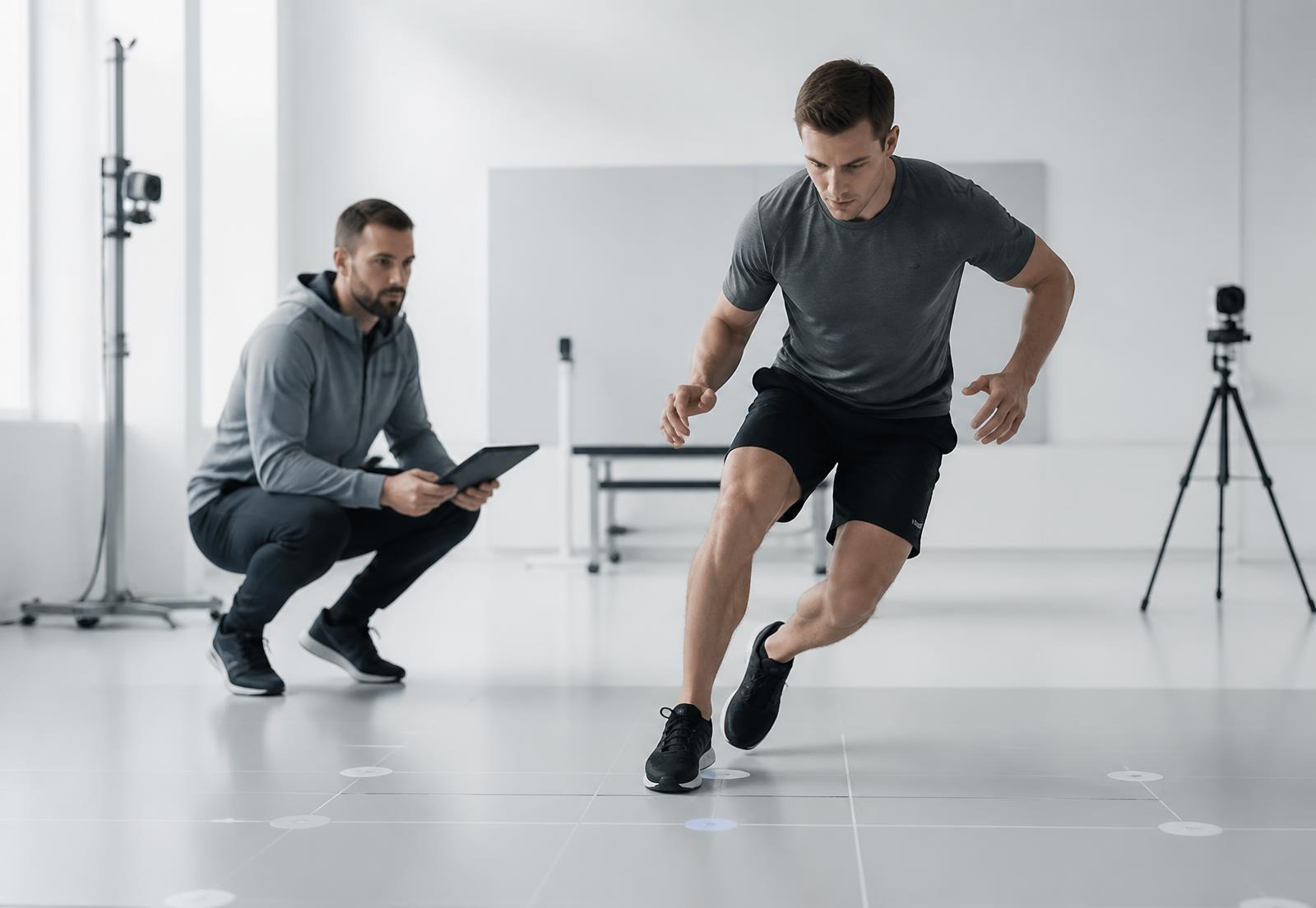
The most common mistake is starting with impressive drills without knowing which system is actually limiting performance. Before intervening, you have to watch —with criteria.
That can include:
- gaze stability,
- fixation quality,
- speed and precision of saccades,
- tracking ability,
- balance and orientation,
- tolerance to rotations and changes of plane,
- attentional control,
- reaction time,
- movement quality when load increases.
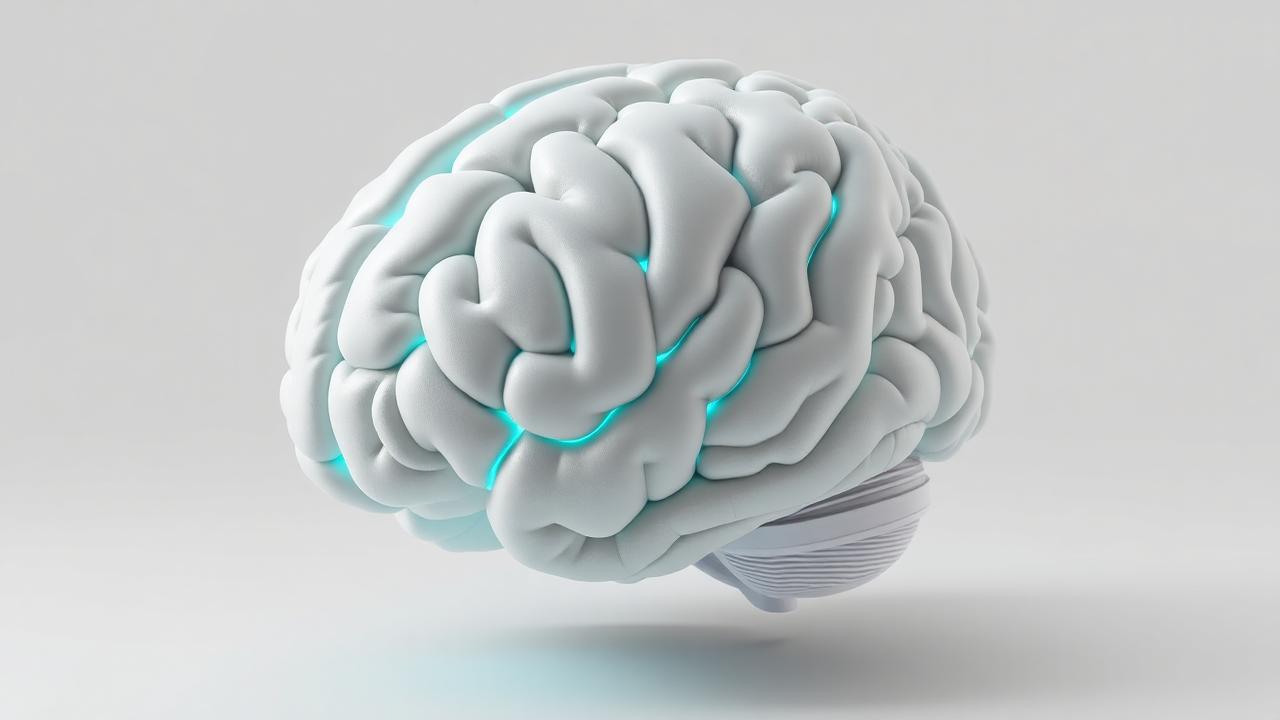
Systems involved: visual, vestibular, cognitive and motor
The visual system provides a huge amount of the information that organizes action. The vestibular system provides references for orientation and balance. The cognitive plane decides what to prioritise and how to respond. The motor plane expresses everything in a useful gesture.
If one of these systems is poorly calibrated, the others adapt as best they can. The problem is that this adaptation is often mistaken for a lack of technique or conditioning when the bottleneck lives in a different layer.
Designing modular protocols
A smart way to integrate this logic is to build modules:
- activation module,
- sensory re-organization module,
- attention and decision module,
- transfer-to-gesture module,
- pre-competition module.
That allows you to dose the work and avoid throwing everything in at once. It also makes it easier to adapt the protocol to the profile: a footballer, a fighter, a precision athlete, a high-load executive or someone in rehab do not need the same sequence.

Integrating it into a real training week
Neuro-cognitive-motor training does not need to take an extra hour every day. In fact, it often works better in small, well-placed doses.
Examples:
- 5 minutes of visual and vestibular activation before the main session;
- small attentional tasks between physical blocks;
- decision-making elements integrated into technical drills;
- short activation blocks before competition;
- re-orientation and focus tasks during return-to-play phases.
Frequent mistakes
- Doing eye-catching drills with no clear objective.
- Confusing fatigue with quality.
- Failing to re-assess.
- Ignoring transfer to the real gesture.
- Overloading with too many simultaneous stimuli.
- Using neuroscience language to justify poor interventions.
Closing
Neuro-cognitive-motor work has value when it improves reading, decision and action. If it helps you see the problem more clearly, intervene with more precision and produce more transfer, it is worth it. If not, it is just a label.
For the detail on the input layer, start with the role of the visual system in performance. Performance is decided in the visual system.
And if the bottleneck sits in orientation, review the vestibular work. Vestibular system, balance and orientation.
How we approach this in R10Method Neuro
We design protocols where vision, attention, processing and response are integrated with practical logic. Fewer drills “because they look cool”. More useful structure.
See how it works